Pathways of Accumulation: Transaction Systems Bridging Progressives Across Mobile Roulette Variants
Ulrich Lehmann · Sep 2, 2026

Pathways of Accumulation: Transaction Systems Bridging Progressives Across Mobile Roulette Variants
Transaction systems in portable roulette platforms coordinate progressive accumulations by routing deposits and wagers through shared ledgers that feed multiple game variants simultaneously. Mobile applications handle these flows via encrypted payment gateways that update central servers in real time, allowing contributions from individual spins or hands to aggregate into larger prize pools across roulette wheels and blackjack tables. Data compiled through September 2026 shows these networks process thousands of micro-transactions per minute while maintaining separate tracking for each player's contribution history.
Mechanics of Cross-Game Reward Routing
Portable devices initiate sessions through wallet integrations that authorize funds before any wheel spin or card deal occurs, and those same authorizations create audit trails that link activity across game types. When a player places a bet in a mobile roulette variant, a portion of the stake diverts automatically to a progressive meter that table games can also access under predefined rules. Observers note that this routing relies on standardized APIs maintained by payment processors, which ensures compatibility between different software providers without requiring separate accounts for each title.
Studies from the University of Nevada, Las Vegas Center for Gaming Research indicate that such linkages increase player retention metrics by distributing jackpot growth across formats rather than isolating each game. The system timestamps every transfer, creating a chronological record that regulators in multiple jurisdictions can review during compliance checks. This approach prevents isolated pools from stagnating while allowing operators to adjust contribution percentages dynamically based on overall volume.
Progressive Meter Synchronization in Mobile Environments
Table variants on portable platforms receive updates from the same central accumulator that roulette wheels draw upon, yet each game applies distinct multiplier rules that reflect its mathematical structure. A blackjack hand might contribute a fixed percentage to the meter while a roulette spin uses a variable amount tied to bet size, and the backend reconciles these differences through weighted algorithms. Researchers at the Australian Gambling Research Centre have documented how these weighted systems maintain fairness across device types, from smartphones to tablets, by normalizing data packets before they reach the shared database.
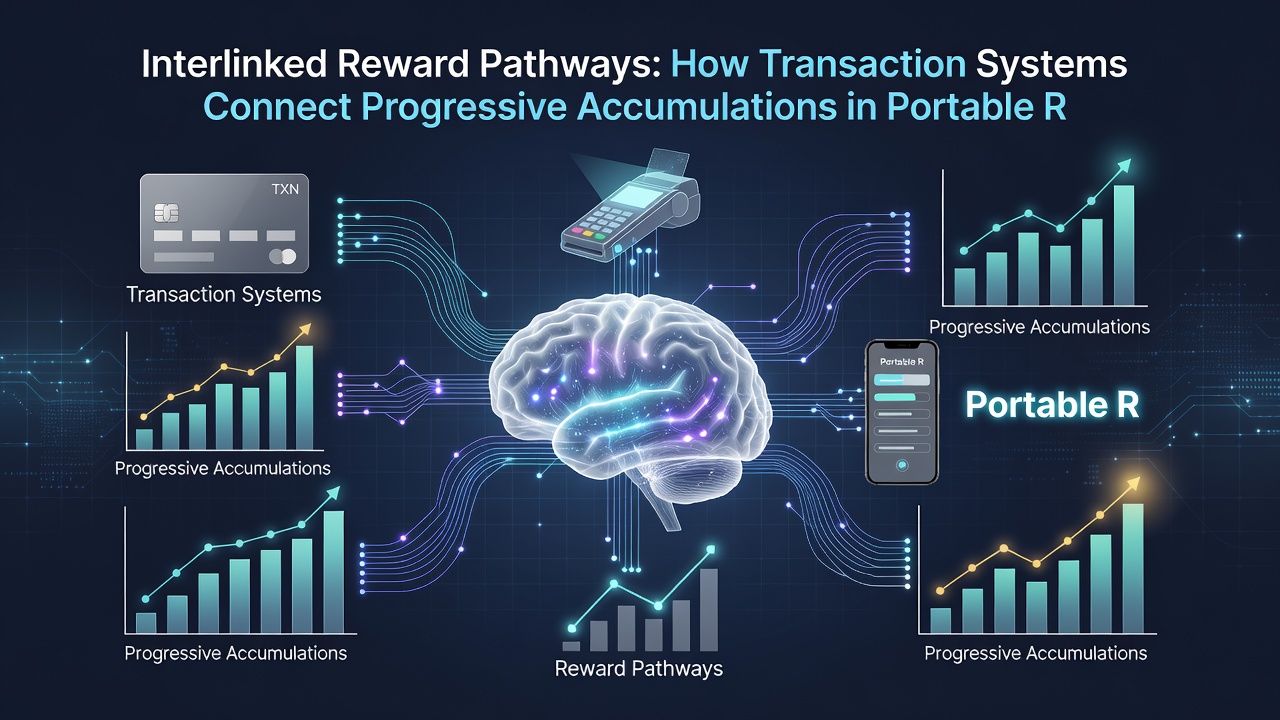
Network latency remains a critical factor because delays in transaction confirmation can interrupt the visibility of growing jackpots for users on slower connections. Developers address this through predictive caching that displays estimated meter values until full synchronization completes. Reports from the American Gaming Association highlight that operators deploying these caches observed steadier engagement rates during peak hours when thousands of concurrent sessions compete for server resources.
Security Protocols Governing Linked Accumulations
Encryption standards applied to transaction streams protect both the monetary transfers and the metadata that connects different game contributions. Multi-factor authentication at the wallet level gates access to progressive balances, while session tokens expire rapidly to limit exposure windows. Industry analyses reveal that platforms using these layered protections experience fewer disputes over uncredited contributions because every action generates an immutable log entry.
Geographic restrictions sometimes require separate meter instances for players in different regulatory zones, yet the underlying transaction architecture remains unified so that cross-border operators can still consolidate reporting. This separation occurs at the application layer rather than the payment processor level, allowing seamless fund movement within permitted regions.
Data Patterns Observed in September 2026 Deployments
Usage statistics gathered in September 2026 demonstrate that interlinked pathways account for measurable shifts in how players distribute wagers between roulette and table variants. Average session lengths extended when progressive meters displayed combined totals rather than isolated figures, according to aggregated platform telemetry. Payment processors recorded higher average transaction values when users pursued accumulations that spanned multiple game categories within a single mobile application.
These patterns emerge because the visible growth of shared pools creates feedback loops that encourage continued participation across formats. Backend systems automatically adjust contribution rates during high-volume periods to prevent any single game from dominating the meter, maintaining equilibrium across the portfolio.
Conclusion
Transaction architectures that connect progressive accumulations in portable roulette and table variants operate through coordinated ledgers, standardized APIs, and synchronized meters that update across devices in real time. Evidence from academic centers and industry associations confirms these systems rely on precise weighting, encryption, and logging to sustain fairness and transparency. As mobile platforms continue evolving, the same foundational linkages support expanding game libraries while preserving the integrity of reward pathways that span multiple variants.