Unified Payment Ecosystems Linking Mobile Slot Progressives to Live Table Bonuses and Betting Incentives
Alex Otto · Aug 26, 2026
Unified Payment Ecosystems Linking Mobile Slot Progressives to Live Table Bonuses and Betting Incentives
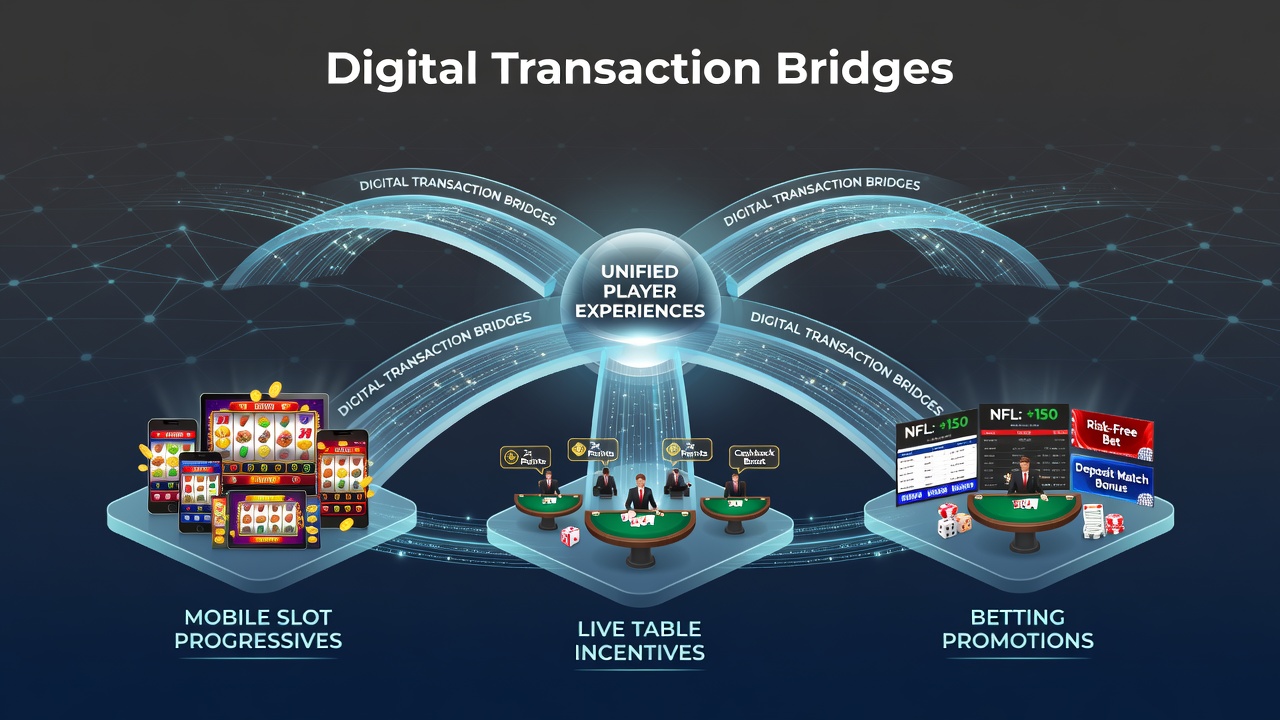
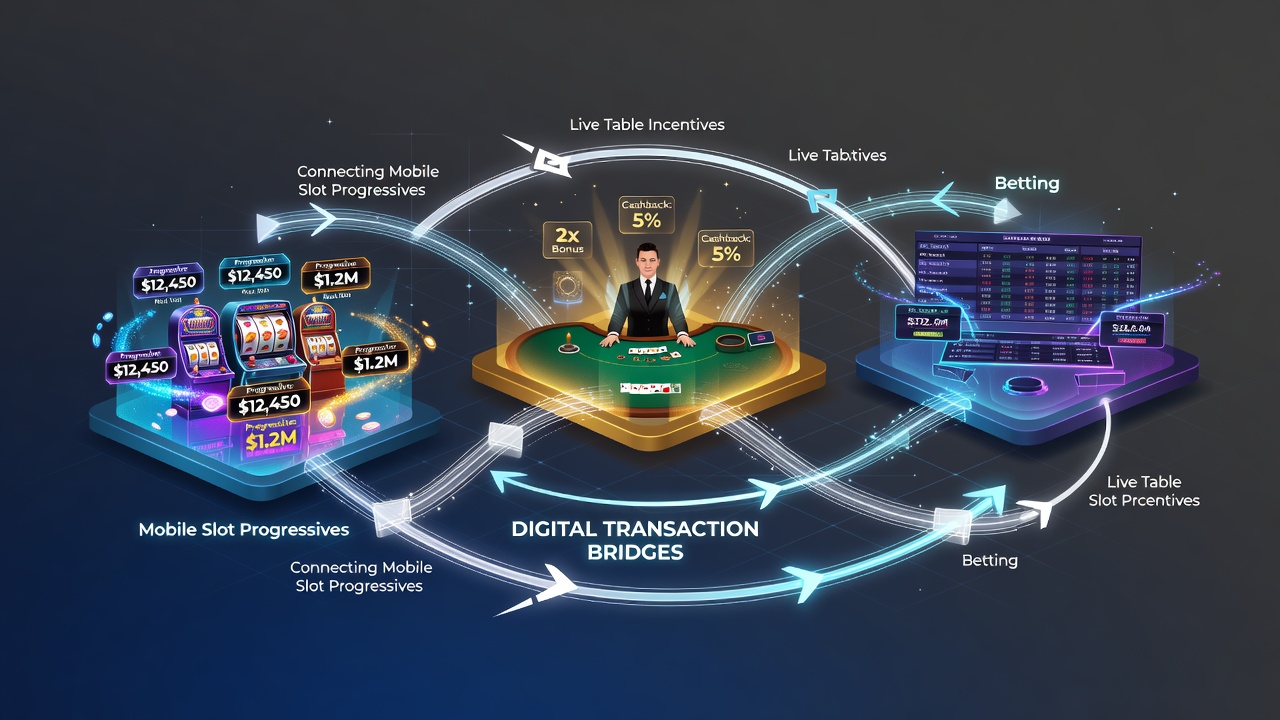
Digital transaction bridges function as middleware layers that route funds, bonus credits, and promotional balances between mobile slot progressives, live dealer tables, and sports betting interfaces without requiring separate wallet logins or manual transfers. These systems rely on API calls that update player ledgers in real time, allowing a single deposit to activate contributions toward multiple progressive meters while simultaneously unlocking live table incentives tied to the same session.
Mechanics of Cross-Feature Fund Routing
Transaction bridges operate through tokenised session IDs that carry metadata about active promotions, so when a player moves from a progressive slot to a live blackjack table the system recognises prior deposits and applies relevant incentives automatically. Data from platform operators indicates that these integrations reduce average transaction latency from several seconds to under 300 milliseconds in optimised environments. Real-time reconciliation engines match wager amounts against bonus eligibility rules across game categories, preventing double counting while ensuring progressive contributions accumulate correctly even when players switch device orientations or network conditions.
Payment gateways supporting these bridges often incorporate multi-currency settlement and instant conversion protocols, which become particularly relevant during peak hours when traffic from multiple regions converges on shared servers. Observers note that August 2026 saw several North American operators expand these gateways to include faster settlement rails originally developed for high-frequency trading environments.
Role in Unified Player Experiences
Unified experiences emerge when the same player profile maintains continuous visibility into progress toward slot jackpots, accumulated live table rewards, and pending sportsbook free bet credits. Transaction bridges feed this visibility by pushing balance updates to a central dashboard that refreshes across mobile apps and desktop clients simultaneously. Research conducted by the American Gaming Association shows that platforms employing such bridges report higher session continuation rates because players no longer need to exit one vertical to fund another.
Case examples include operators that link soccer match wagers directly to live dealer roulette bonuses, where a successful bet triggers a percentage match credit usable at the table without additional deposits. These linkages depend on secure data handshakes between sportsbook engines and casino management systems, with cryptographic signing ensuring that promotional liabilities are attributed correctly across departments.
Regulatory and Technical Considerations Across Regions
Regulatory bodies in different jurisdictions impose varying requirements on how these bridges handle player funds and promotional liabilities. In Canada, provincial regulators require segregated accounting streams so that progressive contributions remain traceable even when funds cross into live table or sports betting ledgers. Australian authorities have examined similar systems for compliance with advertising standards that govern how bonus terms appear across multiple game types within a single session.
Technical standards published by the American Gaming Association emphasise the need for immutable audit logs that record every fund movement initiated by a transaction bridge. These logs support dispute resolution when players question why a bonus failed to activate after switching between verticals. Industry reports further indicate that encryption protocols must cover both the payment instructions and the promotional metadata to prevent interception or manipulation during high-volume periods.
Future Developments in Integration Standards
Developers continue to refine bridge architectures to support emerging payment methods such as central bank digital currencies and instant bank transfers. Integration testing conducted by European research consortia demonstrates that these newer rails can reduce reconciliation times further while maintaining the same level of cross-feature visibility. As platforms scale these capabilities, the emphasis remains on maintaining accurate attribution of progressive contributions and incentive unlocks regardless of the underlying funding source.
Conclusion
Digital transaction bridges continue to serve as the connective tissue that allows mobile slot progressives, live table incentives, and betting promotions to function within a single player journey. Their design hinges on precise API orchestration, real-time reconciliation, and adherence to regional accounting rules that keep all elements traceable and compliant. As infrastructure evolves through 2026 and beyond, these systems are expected to underpin increasingly seamless movement of value across gaming categories without introducing additional friction for the end user.